
Blog
How to Select the Right YE4 Motor for Pumps, Fans, and Compressors

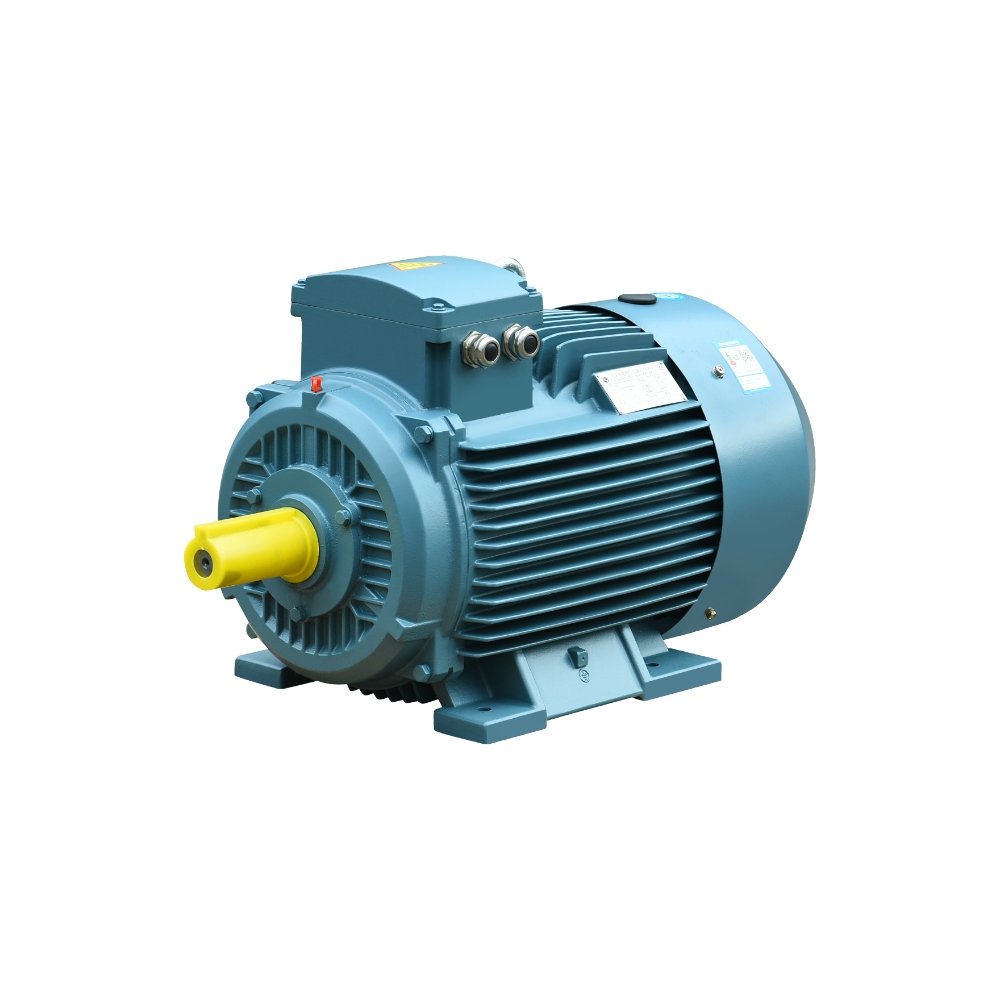
Selecting the right YE4 three-phase asynchronous motor starts with understanding the equipment it will drive, the conditions it will operate in, and the installation requirements on site. A motor that looks suitable on paper may still cause problems if its rated power, starting characteristics, shaft dimensions, or mounting arrangement do not match the driven machine.
For industrial buyers, maintenance engineers, and equipment manufacturers, choosing a motor is not simply a matter of matching kilowatts. It means checking the full operating setup before placing an order. This guide explains how to select a suitable YE4 motor for pumps, fans, and compressors, with practical points to discuss with a motor manufacturer such as HANGZHOU HEJUN.
1. Start With the Driven Equipment
The first step is to identify the machine the motor needs to operate. Pumps, fans, and compressors all use electric motors, but their loads and operating patterns can differ considerably.
For water pumps
A pump motor must match the pump's required power, rotational speed, and operating conditions. The correct choice depends on factors such as flow rate, delivery head, fluid characteristics, and whether the pump operates continuously or intermittently.
Before selecting a YE4 motor, check the pump manufacturer's rated power and recommended motor specifications. Also consider whether the pump starts against an open or closed discharge valve, as the starting conditions can affect the load on the motor.
For replacement projects, record the existing motor's nameplate information and compare it with the pump documentation. Do not assume that a motor with the same rated power will automatically suit every pump configuration.
For industrial fans
Fan applications vary from ventilation systems and air-handling equipment to industrial process fans. The required motor depends on the fan design, airflow demand, pressure requirements, and operating speed.
Check whether the fan is directly coupled to the motor or driven through a belt or another transmission arrangement. Belt-driven equipment requires particular attention to shaft alignment, pulley installation, and the mechanical load placed on the motor shaft.
A motor with low vibration and suitable starting characteristics can be useful in fan installations, but the final selection should still be based on the fan's actual load and operating requirements.
For air compressors
Compressors can place substantial demands on a motor during startup, especially when the compressor starts under load. The required starting torque and the control method therefore deserve careful consideration.
Before ordering a YE4 motor for a compressor, confirm the compressor type, rated power, starting sequence, and the motor specifications recommended by the equipment manufacturer. For screw and piston compressors, operating arrangements can differ, so the motor should be selected for the actual machine rather than by application name alone.
2. Match Rated Power and Speed to the Required Duty
Rated power is one of the most important selection parameters, but it should not be chosen in isolation. A motor that is undersized may struggle under the expected load, while excessive oversizing can create unnecessary installation and operating complications.
Use the driven equipment's technical documentation as the starting point. Confirm the required shaft power, expected load range, and whether the machine experiences frequent changes in demand. If the load profile is uncertain, ask the equipment supplier or a qualified engineer to help establish the required motor rating.
Speed is equally important. The number of motor poles and the supply frequency influence the motor's operating speed. For example, a pump designed for a particular rotational speed may not deliver the intended flow or pressure if the replacement motor has a different speed characteristic.
When reviewing a motor specification, compare:
· Rated output power
· Rated voltage and frequency
· Rated speed and number of poles
· Rated current
· Starting torque and starting current
· Duty requirements and expected operating cycle
These values should be checked against the equipment requirements, not selected solely because they appear on a familiar model name.
3. Check Starting Characteristics and Control Method
Industrial motors do not always start under the same conditions. Some pumps and fans start with relatively manageable loads, while compressors and certain conveyor-driven systems may require more attention to startup behavior.
The motor's starting characteristics must be compatible with both the driven equipment and the electrical system. Consider the available supply capacity, the permitted voltage drop during startup, the required acceleration time, and the protection settings.
Also identify the intended starting method. Direct-on-line starting, star-delta starting, soft starters, and variable-frequency drives have different requirements. Compatibility should be confirmed with the motor documentation and the control-system designer.
If a variable-frequency drive is planned, do not assume that every standard motor installation is automatically suitable for every speed range. Confirm the intended operating frequency, cooling performance at reduced speed, insulation requirements, and any other conditions specified by the motor or drive manufacturer.
4. Verify Mounting Dimensions Before Ordering
A motor can meet the electrical requirements and still fail to fit the installation. This is a common issue when replacing an existing motor or integrating a motor into a machine designed by another supplier.
Check the frame size, shaft diameter and length, mounting-hole positions, flange dimensions where applicable, and overall installation space. The terminal box position and cable entry arrangement may also affect installation, especially where space is limited.
The YE4 series from HEJUN is designed as a replacement option for specified low-voltage three-phase asynchronous motor series, including Y, YGM, YGM2, YE2, and YE3. However, replacement suitability should be verified model by model. Confirm the nameplate, mounting dimensions, shaft details, and electrical parameters before assuming a direct fit.
You can review the YE4 three-phase asynchronous motor specifications to begin comparing the series with your existing equipment.
5. Consider the Installation Environment
The operating environment influences which motor configuration is appropriate. A motor installed in a clean indoor machine room faces different conditions from one operating near dust, moisture, heat, or outdoor equipment.
Before finalizing a model, identify:
· Indoor or outdoor installation
· Ambient temperature and ventilation conditions
· Exposure to moisture, dust, or process contaminants
· Required enclosure protection
· Insulation and cooling requirements
· Available space around the motor for inspection and maintenance
HEJUN's YE4 series is specified for general industrial drive applications, including pumps, fans, compressors, conveyors, and other transmission machinery. The appropriate configuration should nevertheless be confirmed against the actual site conditions. If the installation involves a hazardous atmosphere, corrosive chemicals, unusually high temperatures, or other special requirements, discuss the application with the manufacturer rather than treating a standard motor as automatically suitable.
6. Evaluate Practical Maintenance Requirements
A motor's suitability also depends on how easily it can be inspected and maintained throughout its service life. Low vibration, reliable starting performance, and an adequate temperature-rise margin are useful product characteristics, but they do not replace correct installation or routine maintenance.
During commissioning, check the alignment between the motor and driven equipment, the foundation or mounting structure, electrical connections, protective devices, and cooling-air access. After startup, observe vibration, unusual noise, bearing temperature, and current under the actual operating load.
Maintenance personnel should also have access to the nameplate data, wiring diagram, installation instructions, and recommended inspection procedures. These records make it easier to diagnose operating changes and identify the correct replacement model later.
For equipment builders and maintenance teams managing several motor types, standardizing selected models can simplify spare-parts planning. That decision should be based on actual technical compatibility across the equipment fleet, not just on the convenience of using one motor model everywhere.
7. What Should Buyers Ask a YE4 Motor Manufacturer?
When sourcing from a YE4 motor manufacturer in China, provide enough technical information for the supplier to assess the application. A brief request stating only “pump motor” or “compressor motor” leaves too many details unresolved.
A useful inquiry should include:
1. Driven equipment type and application.
2. Required rated power, voltage, frequency, and speed.
3. Existing motor model and nameplate details, if replacing a motor.
4. Mounting type, frame size, and shaft dimensions.
5. Starting method or variable-frequency drive requirements.
6. Operating environment and duty cycle.
7. Quantity required and expected delivery schedule.
This information helps the factory confirm whether a standard model is suitable or whether further technical review is needed. It also allows buyers to compare supplier responses on a like-for-like basis instead of comparing quotations that may cover different specifications.
Choose the Motor by Application, Not by Model Name Alone
The right YE4 motor for a pump, fan, or compressor is the one that matches the machine's load, speed, starting conditions, installation dimensions, and working environment. Checking these points before purchasing can reduce avoidable fitting problems and help ensure that the selected motor is appropriate for the equipment it will drive.
For maintenance teams replacing older motors, dimensional and electrical comparisons should come before assuming interchangeability. For equipment manufacturers, confirming the motor requirements during the design stage makes integration more straightforward.
If you are sourcing YE4 motors for industrial equipment, prepare the nameplate data and operating requirements before contacting a supplier. With clear specifications, HANGZHOU HEJUN can review your application and help you identify a suitable motor configuration.